
Another War Impact: Medication Supply and Cost
Anti-seizure medication shortages are an issue in the UK. Hopefully the U.S. isn’t next

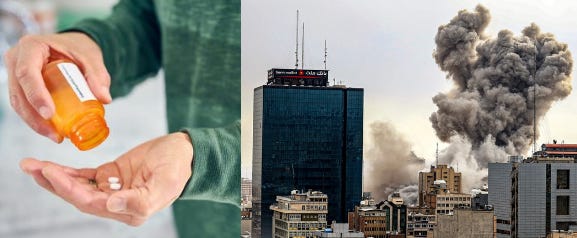
The national average for the price of gas is $4.52 per gallon, up from $2.98 per gallon prior to the Iran war. When it comes to the Iran war’s impact, this is the omnipresent news story: Americans are sick of the war due to the pump’s amplified price tag. People are also upset about the war’s costs, both financial and human, but the gas story is ubiquitous because gas consumption is universal. I get that. Of course, the war has far-reaching global impacts on many things, including medication access. There are hundreds of drugs, including those for epilepsy, blood pressure, blood thinning, and some cancer medicines, that patients are finding harder to get hold of in England. These potential impacts are getting some press in the U.K. where 630,000 people have epilepsy.
Earlier this month, the British Independent newspaper ran a story about Chloe Christoforou, a young woman with epilepsy who couldn’t fill her anti-seizure medication (ASM) prescription due to the Iran war. “I go to pick up my prescription for 56 tablets a month, but I get about 12,” Ms. Christoforou told the Independent. She said that skipping her medication causes a domino effect: Stress is Ms. Christoforou’s biggest seizure-trigger, so worrying about medication access leaves her vulnerable to having more of them. Having lived with uncontrollable seizures for decades, I can relate to Ms. Christoforou’s anxiety.
Blockage of the Strait of Hormuz is limiting oil access. Americans tend to think about oil as an energy source Limiting its access increases shipping costs, which in turn can increase consumer costs on many products shipped to the U.S. Interestingly, a significant proportion of pharmaceuticals-- including anti-seizure meds, antibiotics, pain relievers, and cancer treatment-- rely on petroleum-derived products, which are often in their coatings.
While the shortages haven’t received much attention in America, in England red flags are being waved: Dr Leyla Hannbeck, CEO of the Independent Pharmacies Association recently noted that “disruption to the flow of crude oil and petrochemicals… puts constraints on the availability and cost of these critical pharmaceutical ingredients,” and that they “are very worried about the impact of the closure of the Strait of Hormuz on medicine supply in the UK.”
I had a hard time getting my April Vimpat prescription refilled on time at my local pharmacy. When I asked the pharmacist whether it was related to the Strait of Hormuz closure, he said no. I wound up taking half of my usual dose for two days before the drugstore could fill the order. My seizures have been under control for a decade, so I wasn’t too concerned. But had this happened when I still had uncontrollable seizures, like Chloe Christoforou, I would have been scared about triggering seizures.
Happily, my May supply was on time, so I didn’t have to skimp on my Vimpat at all this month. While I trust the pharmacist, I don’t necessarily trust the federal officials in charge of health, to be completely transparent about the possibility of pending drug shortages. In the U.S., active drug shortages increased during the first quarter of 2026, for second consecutive quarter. While most of the shortages are due to ongoing drug supply chain instability, the U.S.-Iran conflict impacts shipping routes and could possibly further strain medications’ availability.
I wrote this on Memorial Day, dedicated to honoring and mourning the military personnel who died while serving in the Armed Forces, including the 13 fatalities U.S. forces have suffered in the Iran war. Regardless of one’s opinion about this military operation, it’s important to honor these 13 soldiers and to remember the war’s far-reaching impacts.